
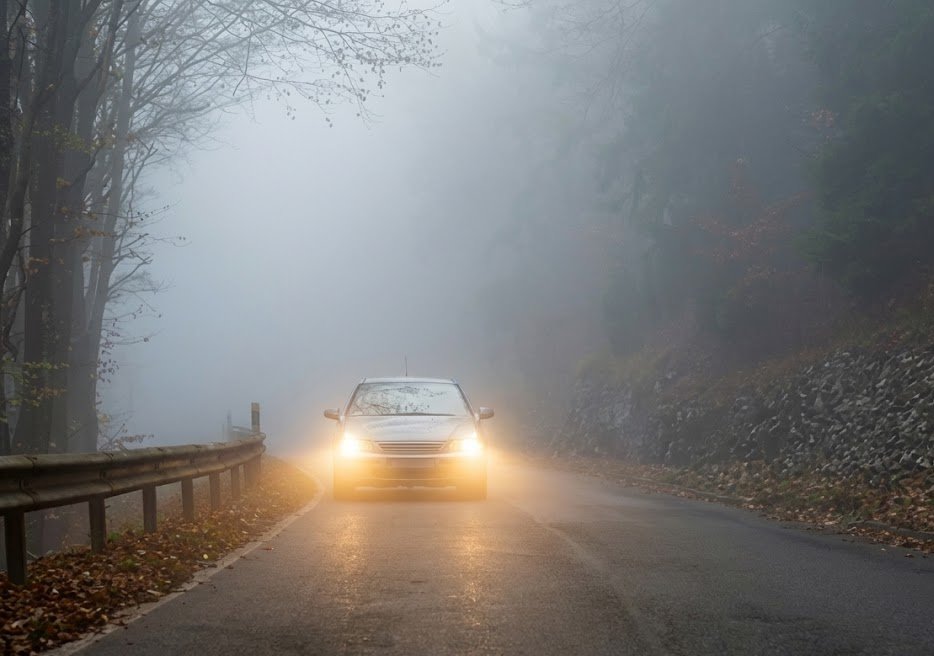
That unnerving moment when you’re squinting through cloudy headlights on a dark November evening happens too often in Colorado Springs. Winter here brings wildlife collisions, chemical-smeared windshields, and visibility problems that standard maintenance can’t fix. Professional restoration and the right wiper blades dramatically improve your safety on I-25, Powers Boulevard, and mountain roads throughout the Pikes Peak region. At South Colorado Springs Nissan, factory-trained technicians understand exactly what Colorado drivers face. Schedule a visibility inspection and get your Nissan ready for winter.
The “November Danger Zone”: Deer, Darkness, and I-25 Commutes
November in Colorado Springs creates a perfect storm of visibility hazards. When Daylight Saving Time ends in early November, your evening commute home happens in complete darkness instead of daylight, putting you on the road precisely when mule deer and elk are most active. This timing coincides dangerously with the peak of the deer rut—mating season—when bucks lose all caution and dart across highways without warning. According to data from the Colorado Department of Transportation, wildlife collisions increase dramatically during this period, with deer involved in close to 83% of these crashes and elk accounting for nearly 11%.
Research shows November has the highest collision claims—nearly triple safer months like April. The combination of darkness, distracted wildlife, and reduced visibility from aging headlights means spotting a deer on unlit stretches of Powers Boulevard or Woodmen Road becomes nearly impossible until it’s too late. Your headlights are your primary defense system, which is why ensuring they operate at factory brightness isn’t just convenience—it’s genuinely about keeping you safe during Colorado’s most dangerous driving month.
High Altitude Haze: Why Colorado Headlights Yellow Faster
If you’ve noticed your Nissan’s headlights developing a cloudy, yellowish haze even though the vehicle is only a few years old, you’re not imagining things. Colorado Springs sits at approximately 6,000 feet above sea level, and at this elevation, UV radiation from the sun is significantly more intense than at sea level. Research confirms that UV radiation increases by about 4% to 5% for every 1,000 feet of elevation, meaning drivers in Colorado Springs experience nearly 30% more UV exposure than coastal residents deal with daily.
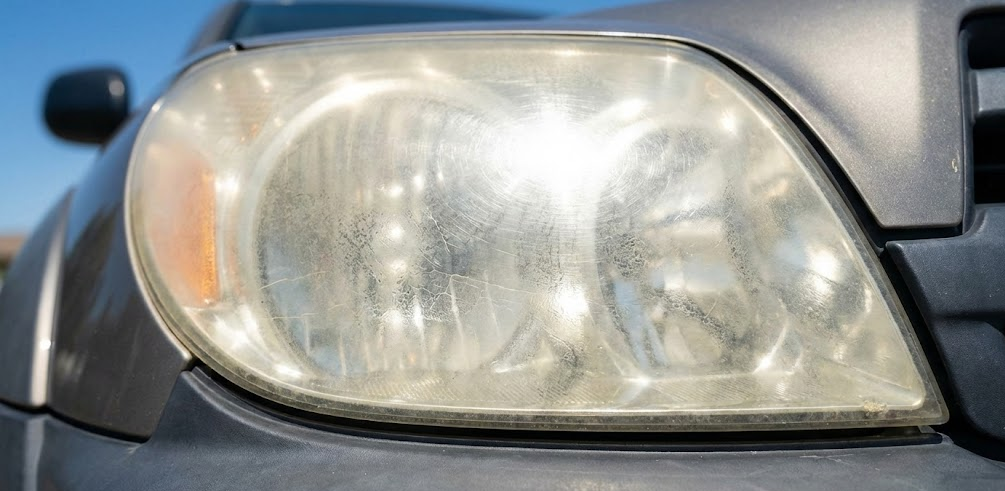
This intense UV bombardment accelerates the oxidation process on your headlight lenses, which are made from polycarbonate plastic. Over time, the UV rays break down the protective coating on these lenses, causing them to turn yellow, hazy, and cloudy. What starts as a minor cosmetic issue quickly becomes a legitimate safety hazard—yellowed headlights can reduce light output by up to 80%, dramatically cutting your ability to see wildlife, pedestrians, or road hazards at night. When you’re driving on dark roads near the Pikes Peak region where elk and deer roam freely, that 80% reduction in visibility could mean the difference between spotting an animal in time to brake and hitting it at full speed.
The oxidation isn’t surface dirt—it’s chemical damage to the lens material. DIY kits offer only temporary fixes because without professional-grade UV sealant, the haze returns within weeks. Professional restoration strips away the damaged layer and applies a durable UV coating that stands up to Colorado’s intense sun, giving you headlights that stay clear.
Fighting the “Mag Chloride” Glare: Why Standard Wipers Fail Here
Anyone who’s driven on Colorado highways during winter knows the frustrating experience of turning on your wipers during a light snow flurry, only to have them smear a greasy, opaque film across your windshield that actually makes visibility worse. That film isn’t just dirty water—it’s magnesium chloride, the liquid de-icer that CDOT sprays on roads throughout the region to prevent ice formation. While mag chloride effectively keeps roads safer by lowering the freezing point of moisture, it creates a unique challenge that standard rubber wiper blades simply cannot handle.
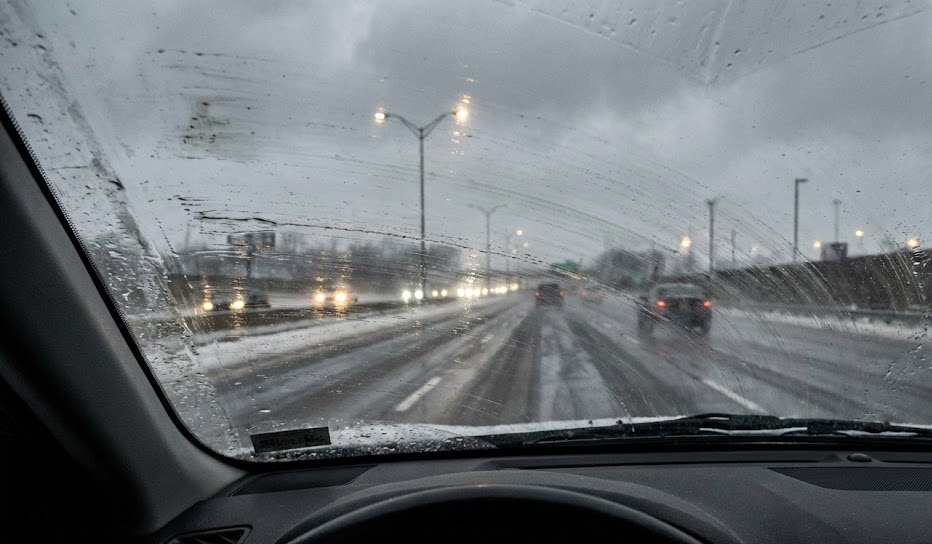
Magnesium chloride doesn’t behave like water or snow. Standard wipers smear the chemical across the glass, leaving streaks and hazy film that catches glare and reduces visibility. CDOT advises motorists to carry extra windshield washer fluid specifically because of backsplash from liquid road treatments. The problem intensifies when other vehicles kick up spray, coating your windshield faster than you can clear it.
Beam-style wiper blades, available at South Colorado Springs Nissan, are designed differently than traditional wipers. Unlike conventional blades with exposed metal brackets that freeze up and fail to apply even pressure, beam blades use one-piece construction that maintains consistent contact. This design cuts through the greasy mag chloride film instead of smearing it, giving you clear visibility even when trucks ahead are spraying de-icer everywhere. Silicone winter blades work even better in extremely harsh conditions, as these materials resist chemical buildup better than standard rubber.
Restoration vs. Replacement: Restoring “New Car” Brilliance
When your headlights have turned yellow and hazy, you might assume replacing the entire assembly is the only solution. Professional restoration offers a dramatically more cost-effective approach while delivering results that match new assemblies. Instead of discarding functional housings and electronics, restoration fixes the actual problem: the damaged lens surface.
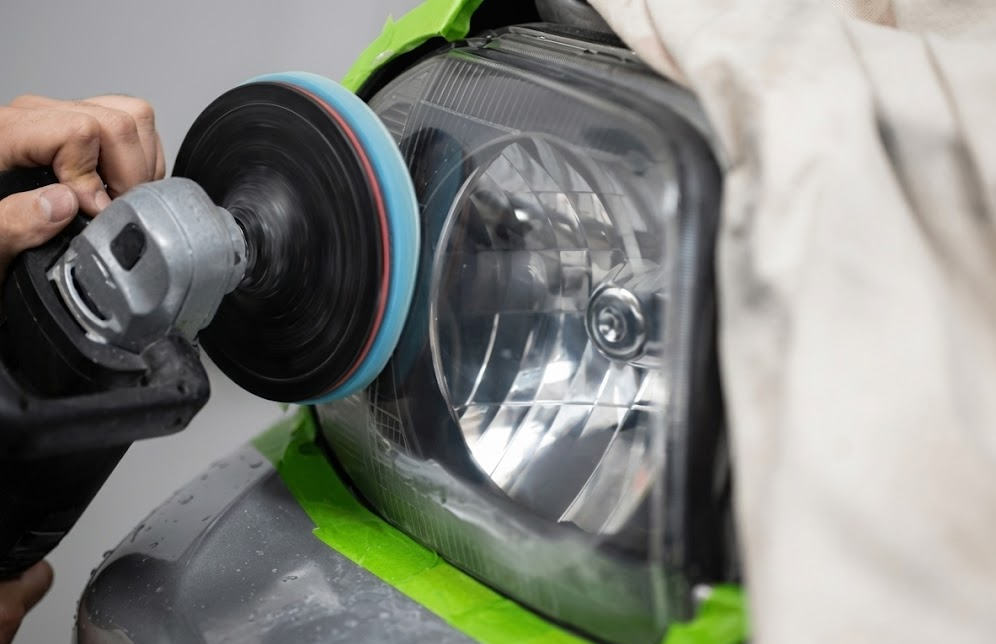
Professional restoration uses multiple grades of abrasive material to progressively smooth the lens without creating imperfections. Once the damaged layer is stripped away, technicians apply professional-grade UV-resistant clear coat that seals and protects the lens from future oxidation. This coating is considerably more durable than DIY kits, meaning your restored headlights stay clear for years instead of hazing over within months.
Professionally restored headlights look and perform like new, with clear lenses that allow maximum light output. Restoration brings your Nissan back to factory safety standards, meeting original manufacturer specifications for brightness and beam pattern. When you’re driving through darkness on Powers Boulevard during November, having headlights at 100% capacity instead of 20% isn’t just nice—it’s potentially life-saving.
Compliant and Clear: Meeting Colorado Traction & Safety Standards
Colorado’s Traction Law requires proper tires or chains during winter. What gets overlooked is that the best snow tires won’t help if you can’t see hazards clearly enough to react. Visibility and traction work as a complete safety system—your tires can only respond to dangers you’ve spotted, and spotting those dangers depends on headlights that illuminate properly and wipers that keep your windshield clear.

Consider this winter scenario: you’re heading north on I-25 during a light snow shower as dusk falls. Black ice ahead is nearly invisible even in good conditions. If your headlights output only 20-30% of designed brightness, you won’t see that ice until your wheels are sliding. If your wipers smear mag chloride instead of clearing it, that ice becomes completely invisible behind the hazy film.
Why Professional Service Beats DIY for Winter Visibility
DIY headlight kits and bargain wiper blades promise quick fixes. However, these solutions rarely deliver lasting results in Colorado’s harsh high-altitude environment. Understanding why professional service outperforms DIY helps you make informed decisions about your vehicle’s safety equipment.
DIY headlight kits typically include sandpaper or abrasive pads along with a spray-on clear coat. While these might temporarily clear up surface haze, they have significant limitations:
- Inconsistent Results: Without professional equipment and training, it’s extremely difficult to remove oxidation evenly across the entire lens surface, often leaving cloudy spots or swirl marks that reduce visibility.
- Weak UV Protection: The clear coats included in consumer kits aren’t formulated to withstand the intense UV radiation at 6,000 feet of elevation, meaning the haze typically returns within weeks or months.
- Potential Damage: Aggressive sanding without proper technique can actually scratch or pit the lens surface, creating permanent imperfections that scatter light and make visibility worse.
- No Aim Correction: Even if you successfully clear the lenses, DIY restoration doesn’t address headlight aim issues—if your beams point too high, too low, or too far to one side, you still won’t see properly.
Professional restoration solves these problems with commercial-grade compounds, proper techniques, and durable UV coatings designed for Colorado. Check service specials to make professional visibility service more accessible.
Visibility Maintenance Throughout Colorado’s Seasons
| Season | Primary Visibility Challenge | Recommended Service | Why It Matters in Colorado Springs |
|---|---|---|---|
| Winter (Nov-Feb) | Mag chloride film, deer activity, early darkness | Beam-style wiper installation, headlight restoration | November brings peak wildlife collisions; mag chloride spraying begins |
| Spring (Mar-May) | Pollen buildup, UV damage acceleration, sudden storms | Wiper blade replacement, lens UV coating check | Intense spring sun at high altitude accelerates oxidation |
| Summer (Jun-Aug) | Extreme UV exposure, dust storms, afternoon thunderstorms | UV protection verification, washer fluid top-off | Peak UV intensity at 6,000+ feet elevation damages lenses fastest |
| Fall (Sep-Oct) | Early darkness onset, wildlife migration, variable weather | Pre-winter visibility inspection, wiper assessment | Prepare before November danger zone; catch problems early |
Note: Colorado Springs’ high-altitude environment requires more frequent visibility maintenance than sea-level locations. Professional inspections help catch problems before they become safety hazards.
Frequently Asked Questions
Q: Why do my headlights look cloudy even after I wash them?
A: The cloudiness is UV oxidation damage to the polycarbonate lens, not surface dirt. At 6,000 feet elevation, UV radiation is nearly 30% more intense than sea level, accelerating breakdown of the protective coating. Washing removes dirt but can’t fix chemical damage. Professional restoration removes the oxidized layer and applies UV-resistant coating to prevent haze from returning.
Q: What is the best wiper blade for Colorado Springs winters?
A: Beam-style blades are designed for mag chloride, the liquid de-icer CDOT uses. Unlike traditional wipers with exposed metal brackets that freeze, beam blades use one-piece construction that maintains windshield contact. This cuts through chemical film instead of smearing it, giving clear visibility even when other vehicles spray de-icer.
Q: Can’t I just use a DIY headlight kit from the store?
A: DIY kits might temporarily clear haze, but lack professional-grade UV sealant. Without durable coating, oxidation returns within weeks in Colorado’s intense sun. Professional restoration removes damage more completely, applies superior UV protection, and includes headlight aim correction. Results last years instead of weeks.
Q: Does the dealership check headlight aim during restoration?
A: Absolutely. Proper alignment is critical because even clear, bright headlights are useless if aimed incorrectly. Headlights too high blind oncoming drivers and fail to illuminate the road ahead. Headlights too low don’t show hazards far enough ahead. Professional restoration includes aim adjustment using specialized equipment for maximum visibility and safety.
Q: How often should I replace wiper blades in Colorado?
A: Colorado’s intense UV, mag chloride exposure, and temperature extremes degrade blades faster than moderate climates. Experts recommend replacing blades every six months—once before winter in October or November, and again in spring around April or May. If you notice streaking, chattering, or greasy smearing, replace them immediately.
Schedule Your Visibility Service Today
Don’t let yellowed headlights and failing wipers compromise your safety on Colorado Springs’ winter roads. Factory-trained technicians at South Colorado Springs Nissan have the specialized knowledge, professional equipment, and genuine Nissan parts to restore your visibility to factory standards. Whether dealing with UV-damaged headlights or standard wipers that smear mag chloride, we have solutions for Colorado’s unique challenges.
November’s combination of earlier darkness, peak deer activity, and mag chloride-coated roads makes waiting dangerous. Professional restoration brings headlights to full brightness, improving your ability to spot wildlife and hazards. Beam-style wiper blades cut through de-icer film, keeping your windshield clear when trucks spray chemicals.
Schedule your visibility inspection now to get your Nissan ready for winter. Don’t wait until you’re squinting through dim headlights and a smeared windshield—protect yourself with professional service designed for Colorado conditions.
Or visit us at 1333 S. Academy Blvd., Colorado Springs, CO 80916 and let our certified technicians ensure you can see clearly and drive confidently throughout Colorado’s demanding winter season.